Important: Before proceeding with this tutorial, make sure you have read and understood this...


Here you will find everything about cryptocurrency wallets. From definitions that you’ll appreciate if you are a beginner in the crypto world, to recommendations and reviews of the most popular crypto wallets on the market. You’ll also learn about the differences between the types of crypto wallets that exist and which ones are best for you:
Highlighted articles:
Important: Before proceeding with this tutorial, make sure you have read and understood this...

Cold wallets are considered the best hardware wallets available for protecting your crypto....

The start of 2025 hasn't been great for crypto security. With rising regulatory pressures, changes...
In this face-off between BitBox02 vs. Coldcard, we will dive deep into exploring both hardware wallets. Each has...

A cold crypto wallet is cold storage for your cryptocurrencies. It is considered the safest way to store your crypto,...

Ensuring the safety of your crypto is crucial, especially when it comes to recovering it in the case of losing your...

Cash App has become one of the most popular financial platforms for buying, selling, and holding Bitcoin. With over 70...

There are a variety of crypto wallet types available for use both online and offline use. A self-custody wallet is...

Crypto wallets are where digital assets are stored, and typically allow you to send, receive and manage your crypto....

The Guarda Wallet is a multi-platform crypto hot wallet. It supports over 400,000 cryptocurrencies and allows you to...
Safeguarding your crypto in secure storage is absolutely crucial, especially as the value of Bitcoin and Ethereum...

As crypto evolves, so do new technologies. This is where AI-integrated smart crypto wallets come into play. These...
Since cryptocurrencies, by nature, are decentralized, safeguarding your digital assets is your responsibility. This...

Now in 2024, crypto security has never been more important. As the value of many digital assets, like Bitcoin and...

With the rising price of Bitcoin and crypto's popularity, keeping your digital assets secure has never been more...
Think of it as your personal vault, but instead of holding physical cash, it safeguards your digital assets securely in the digital realm. Essentially, it’s a software program or a physical device that stores your private keys, allowing you to manage, send, and receive various cryptocurrencies.
Now, let’s talk about the different flavors of crypto wallets. There’s quite a variety out there, catering to different needs and preferences.
Cryptocurrency wallets serve as digital containers for storing, sending, and receiving cryptocurrencies. Here’s how they function:
Storing Cryptocurrencies:
Sending Cryptocurrencies:
Receiving Cryptocurrencies:
Public and Private Keys:
Blockchain Integration:
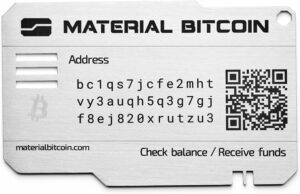
Material Bitcoin prioritizes security and durability, offering a tangible, fireproof, waterproof, and shockproof metal plate for storing BTC, Ether, and USDT. With self-custody and physical seed phrase storage options, it ensures long-term safeguarding of your crypto assets.
✅ Pros:
❌ Cons:
Exodus Wallet strikes a balance between accessibility and security, providing a user-friendly platform for trading cryptocurrencies directly within the wallet. While it offers convenience for beginners, it’s recommended to pair it with cold wallet storage for enhanced security.

✅ Pros:
❌ Cons:
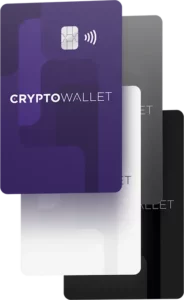
Cryptowallet.com caters to mobile users with its intuitive app, allowing on-the-go management of over 800 cryptocurrencies. With real-time market data, news updates, and 24/7 customer support, it offers convenience but comes with a higher risk of cyber threats.
✅ Pros:
❌ Cons:
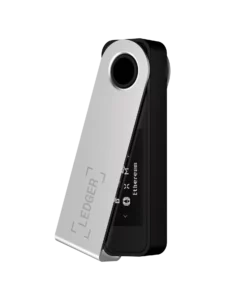
Ledger and Ellipal Titan are hardware wallets offering cold storage for cryptocurrencies. While Ledger integrates with various exchanges, Ellipal Titan provides air-gapped security for offline asset management. Both prioritize customer service and security, though they come with a higher initial investment cost.
✅ Pros:
❌ Cons:
Each type of wallet comes with its own set of pros and cons, so it’s essential to weigh your priorities—whether it’s security, convenience, or accessibility—before selecting the perfect crypto wallet for your needs.
When it comes to fortifying your crypto fortress, there’s nothing quite like the security offered by non-electronic hardware wallets. These analog marvels provide an extra layer of protection against the ever-evolving threats lurking in the digital realm.
By storing your private keys offline, away from potential online threats, non-electronic hardware wallets elevate crypto security to unparalleled heights.
Now, let’s delve into why non-electronic hardware wallets are the pinnacle of crypto security:
What is the purpose of a crypto wallet?
What are the different types of crypto wallets available?
How do hardware wallets differ from software wallets?
Can I have multiple cryptocurrency wallets?
What happens if I lose access to my cryptocurrency wallet?
Are crypto wallets backups of keys secure?